
In the power system world, transformers are critical components responsible for voltage regulation, power distribution, and overall system stability. At the heart of every transformer lies one of its most important yet often overlooked characteristics: insulation.
Transformer insulation is crucial to equipment reliability, efficiency, and service life. Selecting the right insulation material is more than just a design consideration; it’s a strategic decision that impacts performance, cost, and maintenance requirements for decades.
This article explores the nature of transformer insulation, the types of materials used, recent innovations, its importance, and how to choose the right insulation material for your application.
What is Transformer Insulation?
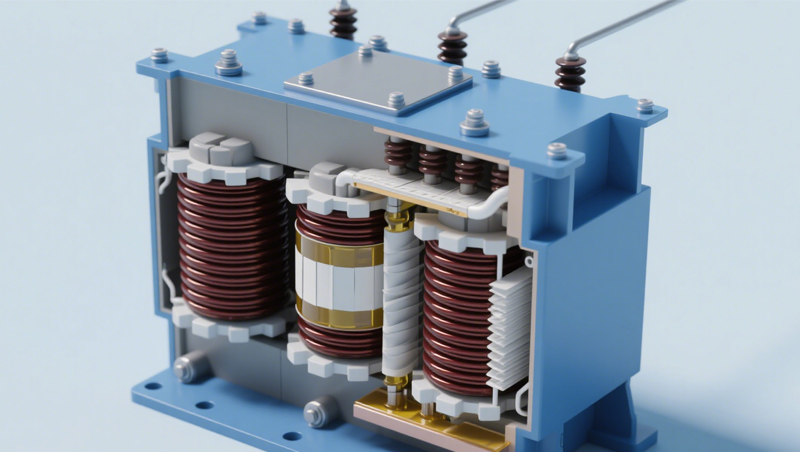
Transformer insulation refers to the system of materials and design methods used to electrically isolate different parts of the transformer while also providing mechanical support and thermal management. It protects windings from short circuits, prevents leakage currents, and ensures that high-voltage conductors do not come into unintended contact with grounded parts or each other.
There are two main categories of insulation in transformers:
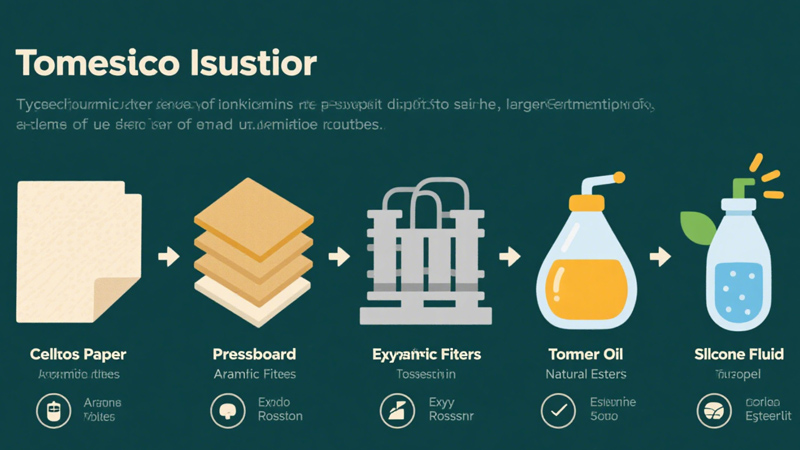
Solid insulation: includes materials such as cellulose-based paper, pressboard, and newer polymer films.
Liquid insulation: primarily insulating oils that immerse and cool the internal components while providing additional dielectric strength.
Together, these systems work in tandem to resist electrical, mechanical, thermal, and environmental stresses over long operational lifespans, often exceeding 30–40 years in high-voltage systems.
The Varieties of Insulation Materials
Transformer insulation materials have undergone decades of refinement to meet the demands of safety, reliability, and efficiency. Today, a wide variety of insulation materials are available, each selected based on operating conditions, performance requirements, and environmental factors.
The most common insulation system utilizes cellulose-based materials and transformer oil, a time-tested combination still used in many power and distribution applications. Cellulose insulation materials (such as cardboard and kraft paper) are applied around the conductors to prevent electrical breakdown, while transformer oil serves as both a dielectric medium and a coolant.
While traditional mineral oil insulation systems have been widely adopted, they are being replaced in sensitive environments due to their flammability and environmental restrictions.
Modern alternatives include high-temperature aramid-based insulation materials, which offer excellent heat resistance, enabling compact transformer designs and extending service life, especially under high-temperature operating conditions.
For dry-type transformers, epoxy resin-based insulation systems are used to encapsulate the windings. These resins offer excellent mechanical strength and resistance to moisture and stains, making them ideal for indoor or corrosive environments.
Liquid insulation alternatives, such as natural and synthetic esters, are also increasingly used, as they have high flash points and are biodegradable. These fluids are particularly suitable for use in environmentally sensitive areas and sealed transformer designs requiring long maintenance intervals.
In addition, silicone-based insulating fluids are stable over a wide temperature range and are often used in specialized applications, although they are generally more expensive. Selecting the appropriate material often requires evaluating dielectric strength, thermal rating, flammability, and compatibility with the system design.
The Importance of Transformer Insulation Materials
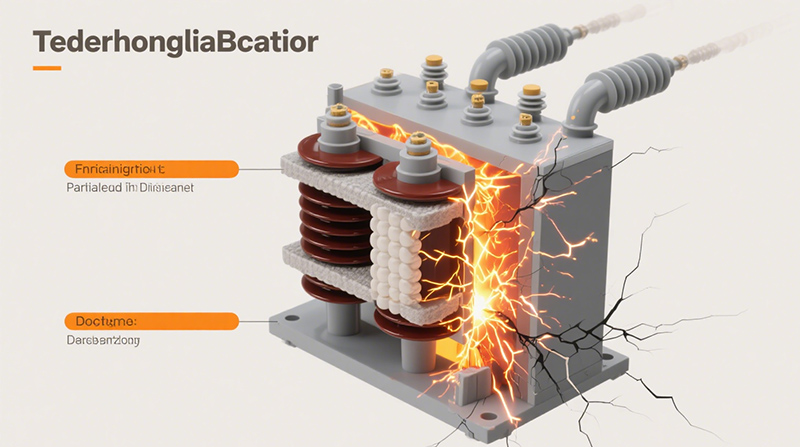
Transformer failures are often linked to insulation breakdown. Given the high voltages involved, even a small crack or impurity in insulation can lead to partial discharges, hotspots, and eventually catastrophic failure. The consequences are costly: power outages, equipment loss, and potential hazards like fire or oil spills.
Well-selected insulation materials directly influence:
- Electrical performance – They must maintain dielectric strength under continuous voltage stress.
- Thermal management – Effective dissipation of heat prevents accelerated aging.
- Mechanical durability – The insulation must withstand electromagnetic forces during fault conditions.
- Moisture and chemical resistance – Especially important in harsh environments.
Proper insulation not only ensures safety but also extends the transformer’s service life, improves load capacity, and reduces maintenance frequency.
How to Choose the Insulation Material for a Transformer?
Selecting the appropriate insulation system for a transformer involves balancing technical performance, environmental considerations, and cost-effectiveness. Here are the key factors to consider:
1. Voltage and Power Rating
Higher voltage transformers require insulation materials with greater dielectric strength. Solid insulation like aramid paper or high-grade pressboard is often paired with enhanced fluids in these cases.
2. Operating Environment
For transformers installed outdoors, in high-humidity or corrosive environments, moisture-resistant materials such as epoxy resin or silicone-based systems are preferred. In fire-prone areas like residential zones, high fire-point fluids such as natural esters are ideal.
3. Thermal Load and Cooling Requirements
If the transformer is expected to handle variable or high thermal loads, materials with high thermal class ratings (such as Nomex or synthetic esters) are necessary to maintain integrity and efficiency.
4. Sustainability and Regulations
Environmental regulations may dictate the use of biodegradable or non-toxic insulation fluids. Utility companies and green energy developers often prefer natural esters or recyclable solid insulation for this reason.
5. Maintenance Accessibility
For transformers located in hard-to-reach areas (like offshore platforms or underground substations), low-maintenance, sealed designs using synthetic ester or dry-type epoxy insulation may be the best choice.
6. Cost and Life Cycle Value
While some materials may be more expensive upfront, their longer lifespan and lower maintenance costs can result in better long-term value. For mission-critical transformers, reliability often outweighs the initial price tag.
Consulting with transformer manufacturers, insulation experts, and referencing IEC/IEEE standards is essential during the selection process to ensure compliance and optimal performance.
Conclusion
As the demand for more reliable, sustainable, and efficient power systems grows, so does the need to carefully evaluate and select appropriate insulation materials. From traditional oil-paper systems to high-tech nanofluids and aramid fibers, each option presents trade-offs in cost, performance, and application suitability.
Understanding the operating environment, regulatory constraints, and performance expectations is key to making informed decisions. The reliability of a transformer depends on the reliability of its insulation system. It’s crucial not only for a stable power supply but also for its safe, efficient, and sustainable delivery.