
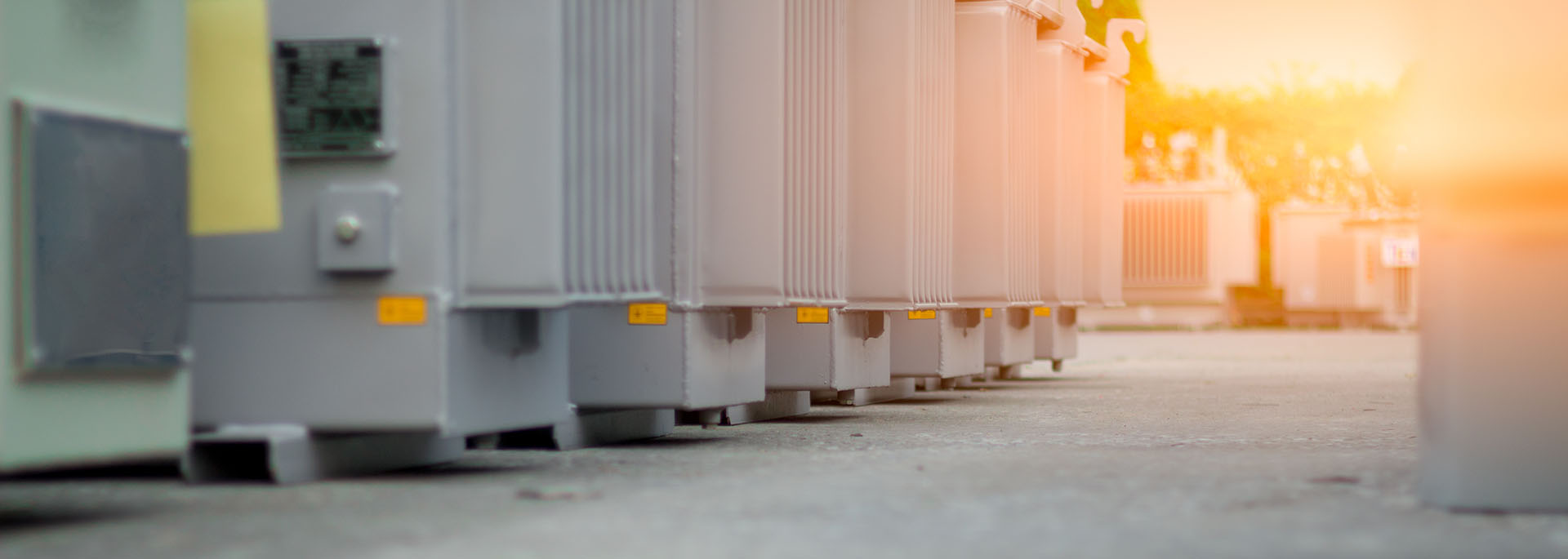
Dry-type transformers are an important part of modern electrical systems, especially in environments where safety, reliability, and minimal maintenance are critical. Unlike traditional oil‑filled transformers, Dry-type transformers use air (or sometimes gas) as the insulating and cooling medium instead of oil.
This blog provides a thorough guide to understanding Dry-type transformers, including their construction, types, benefits, and key considerations for selection and maintenance.
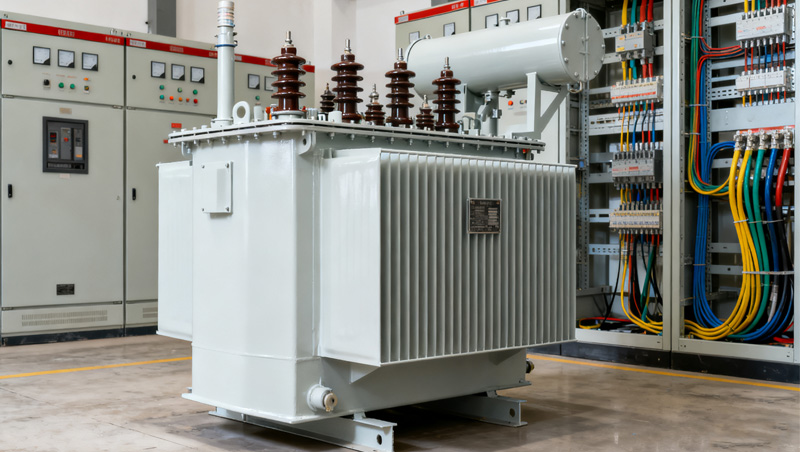
What is a Dry-Type Transformer?
A Dry-type transformer is a transformer that uses air (or another gas) for insulation and cooling instead of oil. These transformers are commonly used in low- to medium-voltage applications, particularly in indoor settings where fire risk, maintenance access, and environmental concerns are important. They are often preferred for their environmental safety, as they do not require the handling of potentially hazardous oils.
Construction and Key Components
The basic construction of a Dry-type transformer is similar to that of oil‑filled transformers but with significant differences in how the transformer is insulated and cooled. The key components of a Dry-type transformer include:
Core
Typically made from laminated silicon steel to minimize core losses (hysteresis and eddy currents).
Windings
Usually made from copper or aluminum, these are insulated using materials like resin, epoxy, or varnish, depending on the transformer design.
Insulation System
Instead of using oil, Dry-type transformers rely on solid insulation materials such as resin, varnish, or epoxy, which provide the dielectric strength necessary to prevent short circuits.
Cooling System
Dry-type transformers use natural or forced air circulation to dissipate heat. Proper ventilation is essential for maintaining efficient operation.
Enclosure
Dry-type transformers are usually housed in ventilated enclosures that protect the internal components from dust, debris, and moisture.
These transformers are typically compact and well-suited for installation in tight spaces or areas with limited ventilation.
Types of Dry-Type Transformers
Dry-type transformers come in various types depending on their construction method and application:
Cast‑Resin Dry-type
The windings are fully encapsulated in epoxy resin, offering robust protection against contaminants like dust and moisture. This design is known for its durability and reliability in harsh environments.
VPI (Vacuum Pressure Impregnated)
In this design, the windings are impregnated with varnish under vacuum pressure, offering excellent insulation properties without fully encapsulating the windings.
Open‑Wound Dry-type
These transformers have exposed windings and rely on natural air circulation for cooling. They are typically used in controlled, indoor environments with limited exposure to contaminants.
Each type is suited to different applications based on factors like load capacity, environmental conditions, and safety requirements.
Advantages and Considerations
Dry-type transformers offer a variety of benefits but also come with certain limitations:
Advantages
Safety: Without the risk of oil leaks or flammable materials, Dry-type transformers are safer, especially in fire-sensitive environments. They are ideal for indoor applications such as commercial buildings, hospitals, and data centers.
Low Maintenance: These transformers do not require regular oil checks or replacements, reducing maintenance efforts and costs.
Environmental Impact: Dry-type transformers are environmentally friendly, as they eliminate the potential risks associated with oil spills and the disposal of hazardous materials.
Considerations
Cooling: Dry-type transformers rely on air for cooling, which can limit their performance in extremely high-load or high-temperature environments. Adequate ventilation is essential for their effective operation.
Cost: Dry-type transformers tend to have a higher initial cost compared to oil‑filled transformers for the same power rating. This is due to their specialized construction and insulating materials.
Overload Capacity: Dry-type transformers generally have lower overload capacity compared to oil‑filled units. This limitation may require more careful load management or additional cooling mechanisms in demanding applications.
Dry-type transformers Applications
Dry-type transformers are used in a wide range of applications, particularly in settings where safety, compact design, and low maintenance are priorities:
Commercial Buildings
Dry-type transformers are ideal for office buildings, shopping malls, and other commercial structures where fire risk is a concern.
Industrial Settings
These transformers are used in clean environments like manufacturing facilities and laboratories, where oil leakage could be problematic.
Critical Infrastructure
Hospitals, data centers, and communication hubs rely on Dry-type transformers for their reliable, safe, and low-maintenance operation.
Subway Systems and Underground Installations
Dry-type transformers are often chosen for underground systems where ventilation and fire hazards are major concerns.
How to Select and Install a Dry-type Transformer?
Selecting the right Dry-type transformer for your application requires careful consideration of several factors:
Selection Factors
Voltage and Rating: Choose a transformer with the appropriate kVA rating and voltage levels for your system. Consider the future load requirements and ensure that the transformer can handle peak demands.
Cooling Requirements: Assess the ventilation in your installation area. In locations with limited airflow, forced-air cooling may be necessary.
Insulation Class: Ensure the transformer has an insulation class suitable for the environmental conditions, including temperature and humidity.
Compliance: Verify that the transformer meets relevant standards and codes for safety, including local building codes and fire safety regulations.
Installation Considerations
Space: Ensure there is adequate clearance around the transformer for air circulation and to prevent overheating.
Grounding: Proper grounding is crucial for safety. The transformer should be grounded according to local electrical codes to prevent electrical shock and ensure safe operation.
Ventilation: Install the transformer in a well-ventilated area to maintain efficient cooling. Avoid obstructing ventilation openings or placing the transformer in excessively hot environments.
Maintenance and Inspection
While Dry-type transformers require less maintenance than oil‑filled models, regular inspection is still essential to ensure long-term reliability:
- Visual Inspections: Periodically check for signs of wear, dust accumulation, or moisture on the windings and insulation. Keep the enclosure clean and free from debris.
- Temperature Monitoring: Use thermal imaging to check for hot spots in the transformer, which can indicate poor ventilation or internal faults.
- Testing: Perform electrical tests like insulation resistance and winding resistance to identify any degradation of the transformer’s components. Regular testing helps catch potential issues before they lead to failures.
Conclusion
Dry-type transformers are safe, reliable, environmentally friendly, and energy-efficient, making them an ideal choice for many modern electrical systems, especially suitable for indoor or fire-prone environments. They offer numerous advantages, such as low maintenance costs, high safety, and minimal environmental impact. However, careful consideration is required during selection and installation, particularly regarding cooling and load capacity.
If you need assistance selecting a suitable dry-type transformer or understanding its maintenance requirements, please feel free to contact us!